
Installing A Humidifier On A Furnace: What To Know

Ottawa’s heating season can make indoor air feel dry, even when the thermostat is set correctly. Humidity control is part of indoor air quality because it affects comfort (dry throat, static, irritated skin) and how your home manages moisture in colder weather. A furnace-mounted humidifier adds controlled moisture through your ductwork during winter, without relying on portable units in every room. This FAQ covers what to expect, what you can safely check yourself, what should stay pro-only, and how summer humidity and air conditioning fit into the picture.
Can You Add A Humidifier To An Existing Furnace?
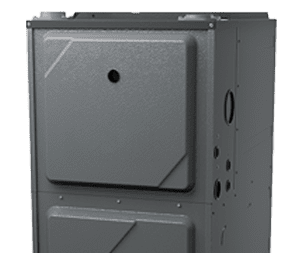
Yes, in many Ottawa homes, you can add a humidifier to an existing forced-air furnace. Most options install onto the supply or return ductwork and use a controlled water feed to add moisture when the furnace runs. A proper setup also includes a humidistat (or integrated controls) so humidity is added in a measured way, not continuously.
Because duct layout, furnace configuration, and water access vary by home, furnace humidifier installation is best handled by a qualified technician. That helps ensure the humidifier is sized correctly, installed safely, and integrated cleanly with your system.
Is Adding A Humidifier Worth It For Indoor Air Quality And Comfort?
Often, yes, if dry-air symptoms appear during the heating season. Health Canada’s moisture guidance commonly recommends keeping indoor humidity within a balanced range (often 30–50%), while avoiding excess humidity that can contribute to condensation in cold weather.
A well-sized humidifier setup can help with:
- Dry throat or nasal irritation
- Dry skin and chapped lips
- Static electricity
- A home that feels “too dry” even when it is warm
Just as important, you do not want to over-humidify. If you notice frequent window condensation or damp smells, it is a sign to reduce the setting and have the system checked.
What Type Of Furnace Humidifier Is Best?
There is no single best choice for every home. The right option depends on home size, how airtight the home is, duct configuration, and how precisely you want to control humidity.
Common types include:
- Bypass Humidifiers: Use airflow through a bypass duct to distribute moisture
- Fan-Powered Humidifiers: Use an internal fan to move air through the unit
- Steam Humidifiers: Produce steam for more precise humidity control, often with a higher capacity
A consultation with HVAC contractors in Ottawa can help match the unit to your comfort goals and your HVAC system’s airflow and controls.
Where Should A Humidifier Be Installed On A Furnace?
Placement is typically on ductwork near the furnace, but the best location depends on the humidifier type and duct layout. The goal is even moisture distribution and safe water management.
A technician will consider:
- Service access for seasonal checks
- Drainage routing
- Safe water connection placement
- Control placement for accurate readings
This is another reason humidifier installation should be professional, especially in tighter mechanical rooms.
What Can Homeowners Check Themselves Before Booking Humidifier Service?
If you already have a furnace humidifier system (or you suspect it is not keeping up), these checks are usually safe:
- Confirm the humidistat is on and set appropriately for the season
- Watch for signs of low humidity (dryness, static) versus high humidity (condensation)
- Replace the furnace filter if it is dirty (airflow affects comfort and IAQ)
- Make sure supply vents and return grilles are not blocked
- Note any service lights or error indicators (if present)
If you suspect a water leak, persistent condensation, or mould, book service rather than repeatedly adjusting settings.
What Should Always Be Left To A Professional?
Humidifiers involve water supply, drainage, electrical controls, and integration with your heating system. These items should be pro-only:
- Cutting into ductwork and sealing connections
- Water line connections (including backflow-safe setup)
- Drain routing and condensate management
- Electrical and control wiring
- Airflow diagnostics (static pressure, balancing, and system setup)
If combustion equipment is part of your home, test CO alarms regularly and follow local code and manufacturer guidance.
What About Summer Humidity And Air Conditioning?
In summer, your central air conditioner can remove moisture as it cools, which is a big part of why “good cooling” feels comfortable, not clammy. If your home feels muggy even when the AC is running, focus on air conditioning maintenance items that also support indoor air quality.
Summer humidity and AC checks (homeowner-safe):
- Replace or clean filters regularly
- Keep supply vents open and returns unblocked
- Keep the outdoor unit clear of debris (power off first)
- Use a steady thermostat setpoint instead of frequent large swings
If humidity stays high indoors, an HVAC service appointment can confirm airflow, system operation, and whether duct leakage is undermining performance. In some Ottawa homes, air duct sealing can help reduce air leakage, which impacts both cooling comfort and humidity control, but it should be assessed on a case-by-case basis.
How Do Maintenance Plans Fit In With Humidity And IAQ?
Humidity control works best when the whole HVAC system is maintained, not just the humidifier. Routine HVAC maintenance can detect airflow restrictions, drainage issues, or wear that causes inconsistent comfort.
If you prefer a set schedule for seasonal checkups and home heating and cooling service plans, Francis Home Environment can help you stay on track for furnace and AC visits, especially if your home uses IAQ add-ons like UV air purifiers or an air purifier option that fits your setup.
One Simple Next Step If You Want Better Comfort And Cleaner Indoor Air
If your home feels dry in winter or sticky in summer, treat humidity as part of an overall indoor air quality plan, alongside filtration, ventilation, and reliable airflow. Francis Home Environment can assess your system and recommend practical next steps, whether that is humidifier support, AC performance checks, or IAQ add-ons that fit your home.