
The Downsides of Heat Pumps in Cold Canadian Climates
Heat pumps have gained attention as an energy-efficient heating option for Canadian homeowners looking to reduce emissions and potentially lower heating costs. But are they truly the perfect answer for our harsh winters?
Before making the switch, you should understand the downsides of heat pumps for heating in cold climates like those found across much of Canada. While these systems work exceptionally well in moderate temperatures, Canadian winters present unique obstacles that can affect both performance and your wallet.
From efficiency drops when temperatures plummet to higher upfront installation costs, heat pumps can present real challenges in our climate. This article explores the drawbacks you need to consider: efficiency struggles in frigid weather, economic factors including installation expenses and potential increases in electric bills, plus ongoing maintenance requirements. Understanding these factors will help you make an informed decision about whether a heat pump suits your home—and what steps might optimize its performance in our demanding Canadian climate.
Temperature Performance Decline
Traditional air-source heat pumps experience a dramatic decline in efficiency as outdoor temperatures plummet. At -18°C, a standard heat pump’s coefficient of performance can fall to around 1.0, meaning it produces only one unit of heat per unit of electricity consumed—essentially no more efficient than a basic electric resistance heater.
During the coldest days of Canadian winters, some heat pumps may struggle to maintain comfortable indoor temperatures on their own. In colder regions or in some home setups, a backup heating source may be needed during extreme weather. When that happens, energy use can increase at the times you rely on heating the most.
Improper system sizing compounds these downsides of heat pumps for heating in cold climates. Undersized units run continuously without reaching desired temperatures, while oversized units short-cycle, leading to further inefficiency and increased wear on the system.
Maintenance Requirements and Equipment Lifespan
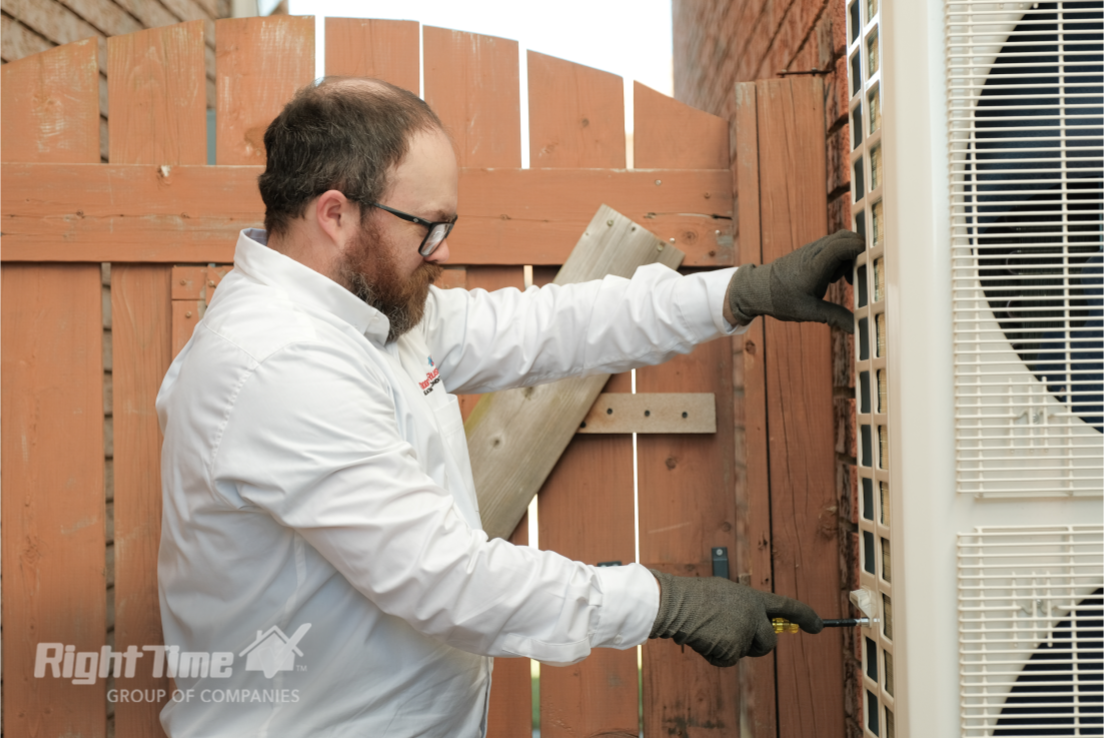
Heat pumps demand regular upkeep to function properly. You’ll need to clean or replace filters regularly and keep outdoor units clear of debris—especially during Canadian winters when snow and ice pile up around equipment. Neglecting this maintenance leads to declining efficiency and rising energy bills over time.
A heat pump’s lifespan can vary based on the equipment, installation quality, usage patterns, and maintenance. This means facing replacement costs sooner than you might anticipate.
However, there are strategies to minimize these challenges. Schedule professional servicing at the interval recommended by the manufacturer or your HVAC contractor, alongside routine maintenance tasks. Available rebate and incentive programs can help offset upfront costs, but eligibility, availability, and funding details can change over time. Proper sizing through Manual J load calculations and hybrid systems pairing heat pumps with gas furnaces can balance efficiency with cost-effectiveness in our demanding climate.
Heat Pump Services in Ottawa
At Francis Home, we understand the unique needs of Ottawa homeowners and offer tailored solutions to ensure your system runs efficiently, even in the harshest conditions. Our expert team provides comprehensive services, from installation to maintenance, helping you optimize performance and manage costs. Francis Home provides heating solutions designed to help Ottawa homeowners choose, install, and maintain systems that fit their home and comfort needs.