
Surge Protection for Ottawa Homes: What Hydro Ottawa and ESA Recommend
If you live in Ottawa, you’ve probably seen your lights flicker during a storm or noticed a few clocks blinking after an outage. Those little signs can be symptoms of voltage spikes moving through your home’s wiring. Hydro Ottawa explains that power surges can occur when lightning strikes near power lines, when the grid is re-energized after an outage, or when there are sudden changes in system demand. Over time, these surges can wear down appliances, electronics and even the control boards inside your furnace.
For homeowners in Ottawa, Nepean, Gloucester, Vanier, Kanata, Orleans, Cumberland, Stittsville, Barrhaven, and Rockcliffe Park, surge protection is an integral part of maintaining both comfort and safety.
Why Surges Are a Bigger Deal Than They Look
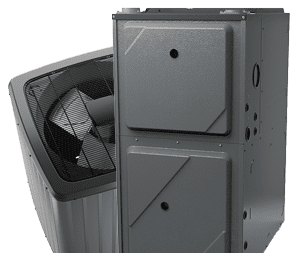
Hydro Ottawa notes that voltage spikes can do more than just reset a clock. They can stress the internal components of furnaces, air conditioners, computers, routers and home entertainment systems. Sometimes the damage is instant, but often it is gradual, showing up later as nuisance shutdowns, error codes or equipment that fails earlier than expected.
The Electrical Safety Authority (ESA) also warns that surges can create electrical hazards. If wiring, outlets, or connected devices are already weakened, a surge can cause overheating or even a fire risk. That is why they emphasize choosing certified surge protection equipment and having main-panel devices installed by licensed electrical contractors.
In an area like Ottawa, with frequent summer storms, winter ice events and older neighbourhoods with aging infrastructure, that extra layer of protection becomes especially valuable.
Two Layers of Protection: Panel Devices and Plug-in Protectors
Hydro Ottawa explains that there are two main types of surge protection for homes:
1. Surge arresters at the electrical panel
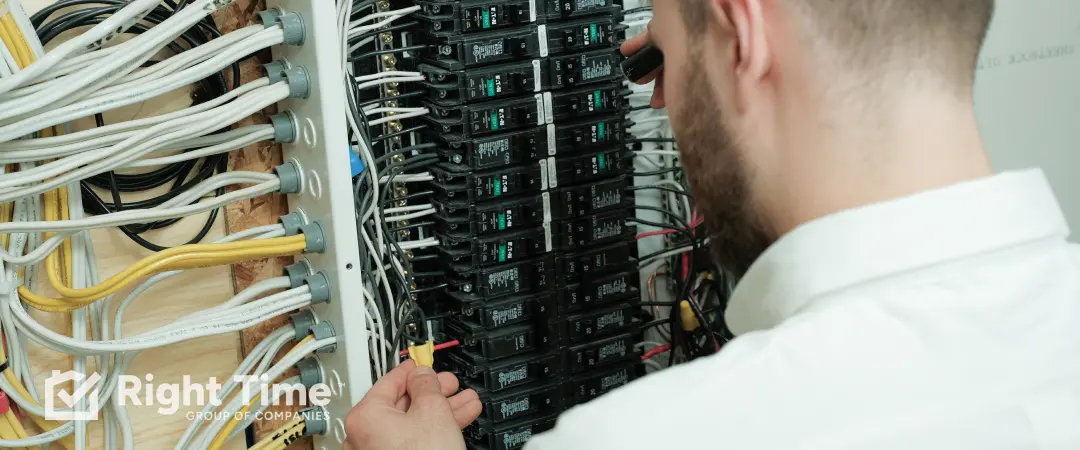
These devices are typically installed at or near your main service panel. When a surge travels in from the outside, a surge arrester helps divert and limit excess voltage before it reaches deeper into your home’s circuits. This helps protect:
- Hard-wired equipment like furnaces and central air systems
- Large appliances such as fridges, stoves and washers
- Circuit branches that feed home offices and finished basements
Because panel-mounted surge devices connect directly to your electrical system, ESA advises that a licensed electrical contractor should install them. They also recommend using CSA-certified equipment that meets current standards.
2. Plug-in surge protectors for sensitive electronics
Hydro Ottawa also highlights the role of plug-in surge protectors, often in the form of power bars. These are especially useful for:
- Computers, monitors and home office setups
- Modems, routers and network equipment
- TVs, game consoles and streaming devices
- Chargers and smart home hubs
Panel devices help reduce the size of surges entering your home, while plug-in protectors add a second layer for your most sensitive electronics. Used together, they create a more complete defence.
What Surge Protection Can, and Cannot Handle
It is essential to be realistic about what surge protection can do. Hydro Ottawa points out that surge devices are designed to limit and divert excess voltage caused by grid switching, distant lightning strikes, or power restoration. They are not intended to handle a direct lightning strike to your home or very close to it.
For severe weather, unplugging is still one of the safest options. During intense thunderstorms, Hydro Ottawa advises unplugging key electronics where practical. This is especially worth doing for high-value equipment such as desktop computers, home theatre systems, and professional home-office setups.
ESA’s guidance fits with this picture: good surge protection reduces risk, but homeowners should still pay attention to wiring condition, outlet quality and safe use of extension cords and power bars.
Outage and Storm Habits That Help Protect Your Home
Surge protection is not just about devices; it is also about habits. During storms or outages, it helps to:
- Unplug non-essential electronics before or during severe weather, where possible
- Avoid daisy-chaining power bars or overloading outlets.
- Keep extension cords temporary, not permanent
- After an outage, plug appliances back in gradually instead of all at once
These small steps reduce both the likelihood and the impact of surges, especially in neighbourhoods with older wiring or frequent tree-related outages.
Safety First: Why ESA Emphasizes Licensed Electrical Work
The Electrical Safety Authority is responsible for electrical safety oversight in Ontario. They emphasize that licensed electrical contractors should handle panel-mounted surge devices and any changes to your home’s wiring. That protects you in three ways:
- Code compliance: Work is done in accordance with the current Ontario Electrical Code.
- Safety: Proper connections, grounding and breaker sizing reduce fire and shock risk.
- Documentation: You have a record of the inspected electrical work in case issues arise later.
ESA also advises choosing CSA-certified surge protectors and avoiding unapproved devices or counterfeit products. That includes power bars, plug-in protectors and panel-mounted equipment.
What Homeowners Can Do vs. What Needs a Pro
There is a clear line between homeowner tasks and professional work. You can:
- Replace old power bars with CSA-certified surge protectors
- Unplug electronics during severe storms when it is safe to do so
- Avoid overloading outlets and power strips
- Keep the area around your electrical panel clear for inspections.
You should call a licensed electrician if you notice:
- Frequently tripping breakers
- Buzzing sounds from the panel
- Warm or discoloured outlets
- Burning smells from electrical equipment
Any surge protection device that connects at the main panel or requires changes to your wiring should be installed by a professional. When gas appliances are involved, it is also essential to install carbon monoxide alarms and test them regularly, according to manufacturer instructions and local code.
When To Ask Francis Home Environment About Surge Protection
If you are already booking a furnace repair, an electrical panel upgrade, or a Maintenance Plan visit with Francis Home Environment, that is a good time to discuss surge protection. It may be worth a closer look if:
- You have a lot of electronics in a home office or entertainment area
- Your neighbourhood experiences frequent outages or flickering lights
- Your panel is older, full or has a mix of new and old wiring
- You are planning renovations in areas like Barrhaven, Kanata, Orleans or Stittsville
A technician can help you understand what is already in place, whether panel-mounted protection makes sense for your home, and how to use plug-in surge protectors more effectively. Building the right combination for your home can help protect both your comfort systems and the electronics your family depends on every day.